Best Lawn Mowing Service Shakopee: Weekly or Biweekly Options
If you live in Shakopee, you already know the lawn has opinions. Spring growth arrives fast, summer heat changes how quickly grass rebounds, and by late season the difference between a tidy yard and an overgrown one can be just a few missed weeks. Choosing the right lawn mowing service is really about timing, consistency, and the kind of results you want to see every time you pull into the driveway.
Most homeowners end up deciding between weekly or biweekly mowing, and the right answer depends on more than “grass grows faster in summer.” Soil type, sun exposure, slope, sprinkler patterns, and even how you mow (height and direction) all affect how fast your lawn needs attention. I’ve helped neighbors troubleshoot lawns that looked “fine” until the mower finally came, and I’ve also seen lawns that were always presentable because the schedule stayed steady even when life got busy.
Below is a practical way to think about weekly vs biweekly service in Shakopee, what to expect from a quality provider, and when you should consider adding other landscaping services like edging, design installation, tree work, or full-season lawn care support.
Why mowing frequency changes more than appearance
When your lawn grows, it’s not just adding height. It’s adding bulk. Taller grass blocks sunlight from reaching lower blades, which can lead to a thinner looking lawn over time. It can also increase the chance of weeds settling in, because stressed turf gives opportunistic plants a foothold.
Mowing also affects moisture. A lawn that’s kept at a consistent cutting height tends to manage evaporation better. In Shakopee summers, that matters. If you mow too infrequently and let grass go long, clippings can pile up, and the lawn may look uneven even if the blades are technically “cut.”
There’s also the simple reality of time. Weekly mowing usually means less grass removed each visit. Biweekly mowing means more removed at once, which can be fine in some yards and risky in others, especially if you have warm season growth spikes or you’re dealing with dense shade where grass grows differently.
A good lawn mowing service in Shakopee doesn’t treat every yard like it’s the same. They look at your actual growth rate and adjust the schedule and cut height accordingly.
Weekly mowing in Shakopee: what you gain
A weekly plan is the most predictable way to keep your lawn looking sharp. It also tends to produce the most consistent results across the whole yard, including edges and slightly rough areas near landscaping features.
In lived terms, weekly service is what keeps a lawn from “looking tired.” You still get summer growth, but you don’t get that moment where the lawn suddenly looks taller than the curb appeal you’re trying to maintain. For many homeowners, the difference is visible before you even measure anything. You feel it when you walk the yard, because the grass looks even and the surface looks smoother.
Weekly mowing is also the safer choice if you have any of the following conditions:
- Shady areas where grass grows unevenly, so one part of the yard stays manageable and another part sprints
- Heavy sprinkler irrigation or areas that stay consistently moist
- A yard with a lot of edges, where grass clippings and clean lines are noticeable
- A lot of foot traffic, where you want turf to stay resilient rather than stretched tall
The other benefit is how well weekly mowing pairs with other landscaping tasks. If you have landscape edging Shakopee MN style borders, bed lines, or defined edges around trees and shrubs, frequent mowing helps keep those borders crisp. It’s easier to maintain a professional look when the yard is never far from “ready.”
Biweekly mowing: when it works and when it doesn’t
Biweekly mowing is often the better value for homeowners who want help but don’t want the service visit to define their week. If your lawn grows at a moderate pace and you’re okay with some seasonal variation, biweekly can work very well.
In Shakopee, the best case for biweekly mowing is usually a lawn that is:
First, not too shaded. Shade changes the mix of turf growth and can create uneven density. Second, not constantly soaked. If irrigation runs long or you have low spots that hold water, grass growth can speed up. Third, maintained with a mowing height that supports healthy turf instead of cutting it low and forcing a faster rebound.

The trade-off is obvious: when mowing happens every other week, the mower has to remove more growth in one visit. Most reputable providers will adjust their approach, but there are limits. If you have a week that turns into two due to weather or scheduling, biweekly can swing from “fine” to “we had to take more off than we wanted.”
Biweekly service can also feel different in spring. Many lawns in Minnesota start growing earlier than people expect. If you’re on a biweekly plan but you don’t adjust frequency during the spring growth flush, your lawn may look ragged for a stretch, even if the provider is doing a solid job once the mowing happens.
The real decision: your lawn’s growth pattern, not just calendar averages
A lot of homeowners pick weekly or biweekly based on what other people do, and that can be a costly mistake. The yard’s growth pattern tells you what schedule makes sense.
For example, I’ve seen two yards in the same neighborhood with completely different outcomes. One home had a consistent mowing rhythm that kept the lawn looking like a uniform carpet. The other home had biweekly mowing, and during mid-summer the grass went long enough that the lawn began to look patchy, especially where the irrigation was strongest.
Those patchy spots are often not “a disease,” they’re a mowing and stress problem. Long grass shades itself, clippings can accumulate, and the mower has to remove more in one pass, which can look uneven if the lawn is lumpy or the grass varies in density.
A landscaping service in Shakopee MN that pays attention to these details will often ask questions before recommending a schedule. They’ll look at your current lawn height, your mowing history, and the look you want after every visit, not just at the end of a month.
What a good mowing provider should do (whether weekly or biweekly)
You want a mowing service that treats the yard like it’s part of the home’s daily presentation. That means clean edges, attention to obstacles, and communication. It also means they understand when mowing frequency should change due to growth spikes.
Here’s what quality mowing typically includes in practice, not just in marketing:
A reliable provider will mow at an appropriate height for turf health and adjust based on season. They should also account for the lawn’s current height on the day they arrive. If the grass is already tall, they should handle the situation carefully rather than scalp it or rush the job.
They should handle clippings responsibly. Some yards can handle leaving fine clippings on the lawn, but piling can smother turf. If you see thick clumps after mowing, that’s a sign that the schedule is off or the mowing is inconsistent.
Also, the yard should look finished, not just cut. That means tidying around driveway edges, sidewalks, and bed lines. If you have landscape edging or defined borders, the mowing crew should respect those lines so the yard keeps its shape.
Finally, good communication matters more than people think. If you’re on a biweekly plan and weather shifts the window, you need a provider who can either maintain the schedule with a new visit time or explain what will happen and how the lawn will be handled.
Weekly vs biweekly: a practical comparison for Shakopee homeowners
Instead of thinking about it as “more visits are better,” think about it as Landscaping service in Shakopee MN “how your lawn behaves between visits.”
Here’s a quick way to decide based on what you’re trying to accomplish:
- If you want a consistently crisp look, weekly usually fits best.
- If your lawn growth is moderate and you can tolerate some seasonal changes, biweekly may work.
- If you have heavy shade, uneven growth, or irrigated hotspots, weekly tends to prevent stress.
- If your schedule is tight and you want fewer visits, biweekly can be viable with good execution and height control.
- If spring growth ramps fast, you may need temporary increases from biweekly to weekly until things settle.
That last point is key. Many lawns don’t stay in one category all season long. A provider that can flex between weekly and biweekly during growth spikes usually delivers better results than one that sticks to the calendar no matter what.
How to talk to a Shakopee mowing company about timing
Even the best provider can’t guess the exact goals you have. When you call or request service, it helps to ask targeted questions. You’re not trying to grill them, you’re trying to confirm they’re thinking like a lawn manager, not just a mower.
Here are five questions I recommend homeowners ask:
- What cutting height do you recommend for my lawn and how does it change by season?
- If my grass gets tall between visits, do you adjust the schedule or the mowing approach?
- How do you handle clippings near edges and in thicker grass areas?
- Do you include edging around sidewalks, driveway borders, and landscaping beds, or is that add-on work?
- Can you flex between weekly and biweekly based on growth, especially in spring?
A reputable landscaping service in Shakopee MN will answer clearly. If they give vague responses like “we mow and that’s it,” that’s a clue they may not adapt to your lawn’s needs.
Edging and borders: the detail that separates “mowed” from “finished”
Mowing is only half the curb appeal. The other half is the border. If you invest in landscape edging Shakopee MN style borders, you know what happens when mowing gets inconsistent: the edges blur, grass creeps into bed lines, and your lawn looks less intentional.
Weekly service helps because grass never gets too long to create that visible overhang. Biweekly can still look good, but it depends on whether your edging is maintained and how quickly grass rebounds into the border line after mowing.
Some homeowners assume edging is automatic. In reality, edging takes time and it has to be done with care, especially near plants and around tree roots. If you’re expecting a “clean landscape look,” ask what edging is included. If edging is an add-on, a smart strategy is bundling mowing with edging during the periods when it shows the most.
When mowing and tree service should be scheduled together
Trees shape your lawn more than most people realize. They influence sun, leaf drop, and soil moisture. If you have a tree line, you can get a mowing schedule that looks perfect on paper, but leaf litter and shade keep interfering with even turf health.
A tree service in Shakopee that coordinates timing with your yard maintenance can reduce repeated cleanup and help you avoid stressed grass. For example, if a tree branch drops and you end up with recurring debris, you might think mowing is the problem when the real issue is what hits the turf surface.
Also, root zones and canopy shape matter. If branches were trimmed, your lawn could receive more light than before. That changes mowing needs. If the canopy closes back up season to season, growth rate shifts again.
That’s why some homeowners choose to bundle services. It’s not just convenience. It’s about managing the conditions that determine grass growth and the way the lawn recovers after mowing.
Landscaping design installation: why it affects mowing decisions
This part surprised some homeowners when I’ve mentioned it. Landscaping design installation Shakopee projects, even when they’re beautiful, can create a lawn that requires a slightly different mowing approach.
New beds, curving borders, fresh mulch lines, and installed edging all change the “shape” of the lawn. That means mowing gets more detail-oriented. A provider who does landscaping work understands how to mow around beds without ripping out young plants or leaving clumps against the new borders.
If you’re planning landscaping design installation, it’s worth discussing maintenance at the same time you pick the layout. A design that looks amazing but creates impossible mowing access will cost you more long term. Conversely, a design that respects mower access and keeps bed lines clear makes both weekly and biweekly plans easier to execute.
Seasonal expectations in Shakopee: how the schedule evolves
If you’ve ever looked at your lawn in spring, early summer, and late summer, you know the pace changes. You can’t treat every week like it’s identical.
Spring is usually a growth ramp. That’s where biweekly schedules sometimes struggle if you don’t adjust quickly. Many lawns need more frequent mowing during the initial surge, then can settle into a less frequent pattern later.
Summer heat can create a different kind of challenge. If the lawn is irrigated properly and the grass stays healthy, it may still grow quickly. If water is inconsistent or sun exposure is intense, grass can thin and rebound unevenly. Either way, mowing height and clipping management matter more than the raw number of visits.
Late summer into early fall is another shift. Growth may slow, but debris from trees can become more noticeable. Even a perfectly timed mowing schedule can look messy if you have consistent leaf drop and clippings mix with it.
A good service provider helps you stay ahead of those transitions rather than reacting after the lawn looks worn.
What you should expect from weekly vs biweekly pricing
Pricing varies by company and by how they measure yard size, complexity, and service add-ons. Some providers quote by lawn square footage, others factor in landscaping complexity and obstacles, and some bundle edging or cleanup with mowing.
The practical way to think about it is this: biweekly often costs less per visit, but weekly usually reduces the amount of growth removed at each visit, which can mean a more consistent finish. If your goal is a high-polish curb appeal, weekly can be worth it even if the monthly visits add up.
If you’re trying to balance budget with appearance, biweekly can work well with the right provider who adjusts cutting height and handles edges and clippings appropriately. The cheapest option on paper can cost more later if the lawn gets uneven, develops weed pressure, or needs extra cleanup.
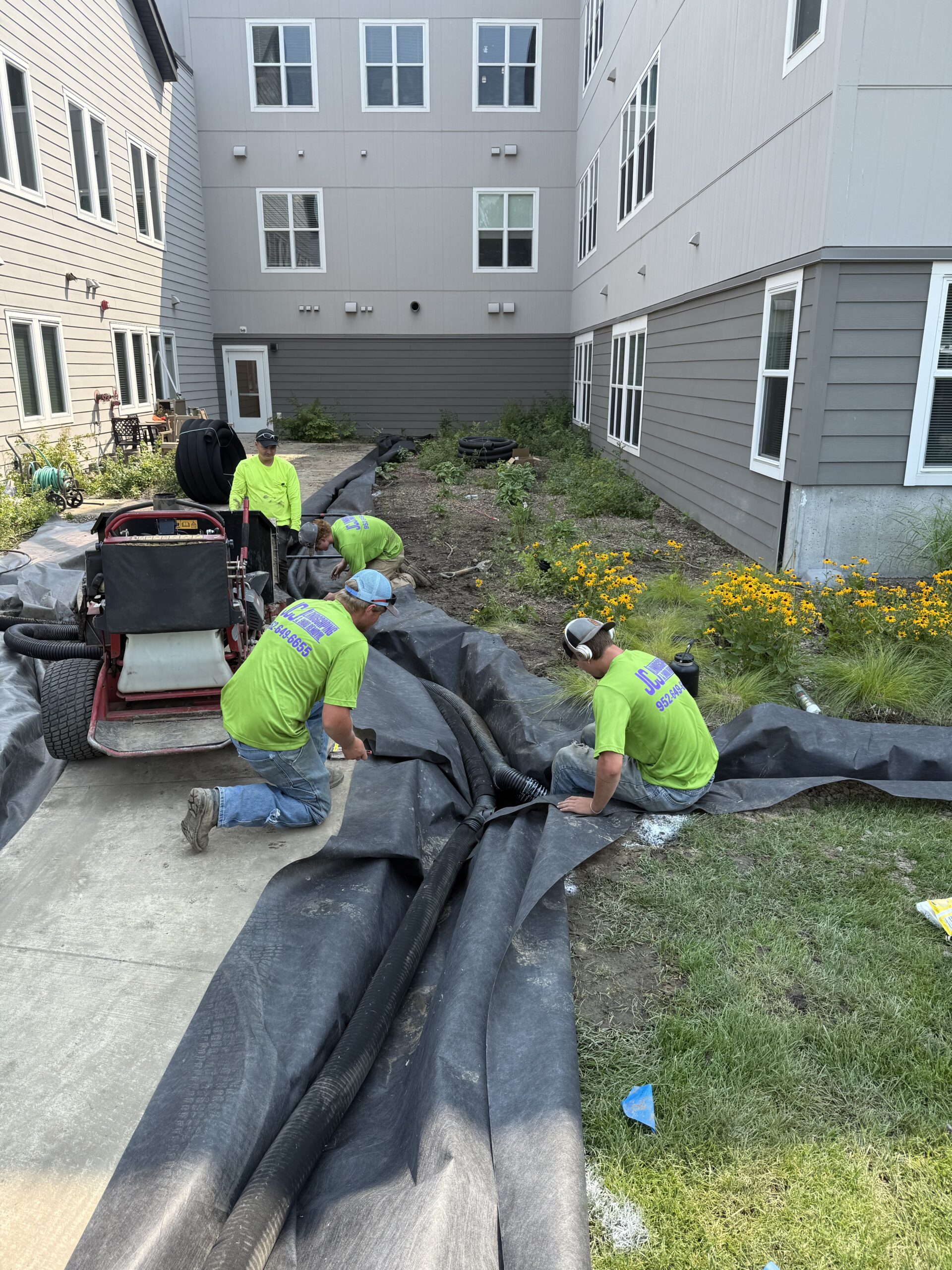
If you get a quote, ask whether edging is included and what happens if growth runs ahead due to weather. Those details help you avoid surprise costs.
The decision guide most homeowners actually need
You’re not just choosing a schedule, you’re choosing how much “lawn management” you want the service to handle.
If you want your yard to look consistently maintained with minimal effort on your side, weekly is the cleanest path. It’s particularly strong if you have visible landscaping beds, defined edging lines, or trees that affect moisture and shade.
If you want a more budget-friendly option and your lawn grows moderately, biweekly can deliver a very acceptable look, as long as the provider handles the lawn’s real condition at mowing time and doesn’t treat your yard like it will always be at an ideal height on schedule day.
The best part is that many homeowners do a hybrid approach during parts of the season. Start with more frequent mowing in spring growth weeks, then transition to biweekly once the lawn stabilizes. If growth picks up again after a warm spell, you can tighten frequency temporarily. That flexibility is often where the “best service” earns its reputation.
Final take: choose the schedule that matches your yard’s stress level
The lawn isn’t a static object. It’s a living system that responds to light, water, heat, and cutting. In Shakopee, weekly mowing tends to be the most reliable way to keep turf healthy and looking finished, especially when you want sharp edges, consistent curb appeal, and a lawn that stays resilient through summer.
Biweekly mowing can be a smart option too, but it works best when your lawn doesn’t surge too aggressively between visits and when the provider adjusts for real growth, clippings, and edge detail.
If your property includes landscape edging, landscaping design installation, or recurring tree impacts, a provider that understands the whole yard, not just the mower, will make the difference. Whether you pick weekly or biweekly, you’ll get better results by choosing a service that monitors your lawn’s condition and communicates clearly about adjustments when the season changes.
JCJ Landscaping and Snow Removal
7 West Travelers Trail, Unit 391, Burnsville, MN(55337)
(952) 649-6655
[email protected]
Website: https://jcjpropertymaintenance.com